

How to Setup Basics
Learn how to download, install, and do the initial configuration of major web browsers safely.
- Step-by-step setup blueprints
- Default browser configuration settings
- Safe bookmark database imports

Follow our detailed configuration blueprints to properly configure, secure, and fix common software bugs inside your web browser.
Begin by setting up your browser basics, then learn standard ways to customize privacy settings, clean database caches, configure downloads, and fix persistent connection errors.
Start pages, tabs, downloads and default behavior.
Understand cookies, permissions and tracking controls.
Learn cache, memory and update fundamentals.
Cookies, tracking settings, pop-ups and site permissions explained simply.
Learn how browser updates affect security, sessions and performance.
Choose a topic and follow a focused guide without digging through a complicated dashboard.
Learn how to download, install, and do the initial configuration of major web browsers safely.
Set up privacy profiles, block persistent tracking, and configure safe browsing shield settings.
Troubleshoot and fix default search engines, startup homepages, and unwanted browser notifications.
Resolve slow webpage loading speeds and debug resource-heavy background process memory.
Fix persistent webpage login issues and resolve expired cookies by clearing cache memory.
Fix tab memory crashes, restore closed sessions, and back up your bookmark database directories.
Configure custom download folders, manage download rates, and unblock flagged software packages.
Fix browser freezing errors, website connection refuse issues, and generic rendering problems.
General browser learning without brand-specific promotion.
Clear guides designed for beginner and everyday users.
Generic guidance with no browser company affiliation.
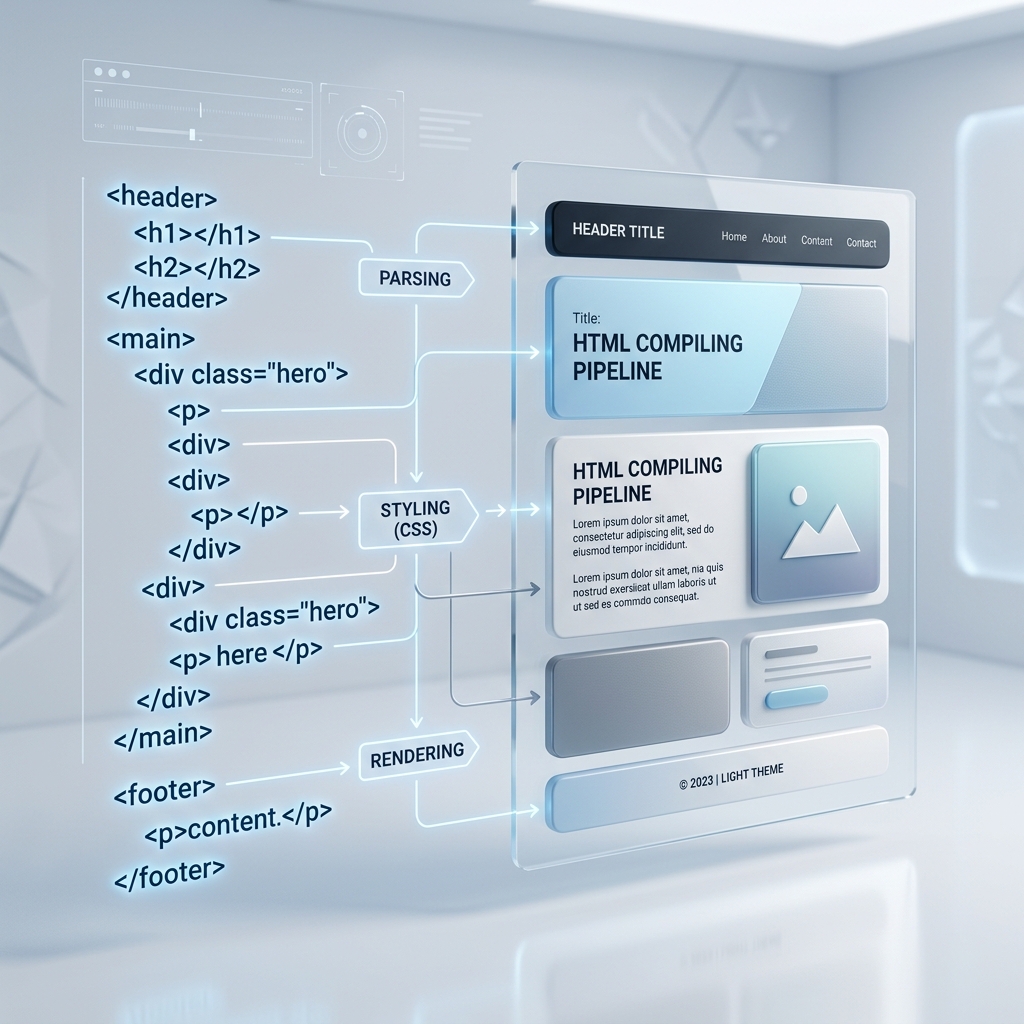
A browser completes several critical loading operations before a webpage is painted on your screen. This blueprint visualizes the step-by-step pipeline.
We are a free educational database. We provide step-by-step browser guides and configurations. We do not fix browsers, sell tools, or represent any commercial brands.
Each phase passes information to the next until the browser can display the page.
The process begins when you type a website address or select a saved link inside your browser.
The browser identifies where the website is located by checking its domain and network information.
Your browser sends a secure request to the website server asking for the required page content.
The website server returns the page files, including text, images, styles, and interactive elements.
The browser reads and compiles HTML structures, CSS stylesheet configurations, and scripts.
The browser organizes and paints the files to present the complete visual page on your screen.
The process begins when you type a website address or select a saved link inside your browser.
The browser identifies where the website is located by checking its domain and network information.
Your browser sends a secure request to the website server asking for the required page content.
The website server returns the page files, including text, images, styles, and interactive elements.
The browser reads and compiles HTML structures, CSS stylesheet configurations, and scripts.
The browser organizes and paints the files to present the complete visual page on your screen.
Organizes headings, paragraphs, buttons, forms, and other page elements.
Controls colors, fonts, spacing, layout, and responsive presentation.
Adds menus, sliders, forms, animations, and other interactive behavior.
Loading speed may depend on your connection, the website server, page size, browser extensions, stored data, or background activity. We provide detailed learning guides to clarify these variables.
Use this quick visual index to understand common browser symptoms, then open the matching educational guide for more detail.
Choose a symptom
Common browser situations
Understand how connection issues, server response, DNS, browser data, or permissions may affect a webpage.
Learn how open tabs, extensions, stored data, memory usage, and background activity may affect performance.
Explore browser permissions, download locations, website restrictions, and connection-related factors.
Understand how saved credentials, cookies, session data, browser settings, or website status may affect login pages.
Learn why browser processes may stop responding because of memory use, extensions, tabs, or page activity.
Understand browser notification permissions, website prompts, redirects, and extension-related pop-ups.
Settings & Behavior
Homepage, permissions, prompts
Privacy & Sessions
Cookies, login and saved data
Performance
Tabs, memory and background activity
Need more browser learning topics?
Browse the complete troubleshooting library for more educational guides.
Explore practical articles about privacy, performance, browser storage, extensions, and how websites behave inside modern browsers.
Learn how browsers temporarily store website files, remember sessions, and use cookies to support login, preferences, and website functionality.
Understand what private browsing removes, what it does not hide, and how browser sessions behave.
Explore how open tabs, extensions, media, background activity, and browser processes use system memory.
Learn how extensions add browser features, request permissions, and interact with webpages.
Understand how page size, connection speed, browser data, scripts, and website servers affect loading.
Browser Basics
Essential concepts
Privacy
Cookies & permissions
Performance
Memory & loading
Browser Tools
Tabs & extensions
Browse educational content covering privacy, settings, history, performance, browser features, website behavior, and internet basics. We do not provide software tools or repair support.